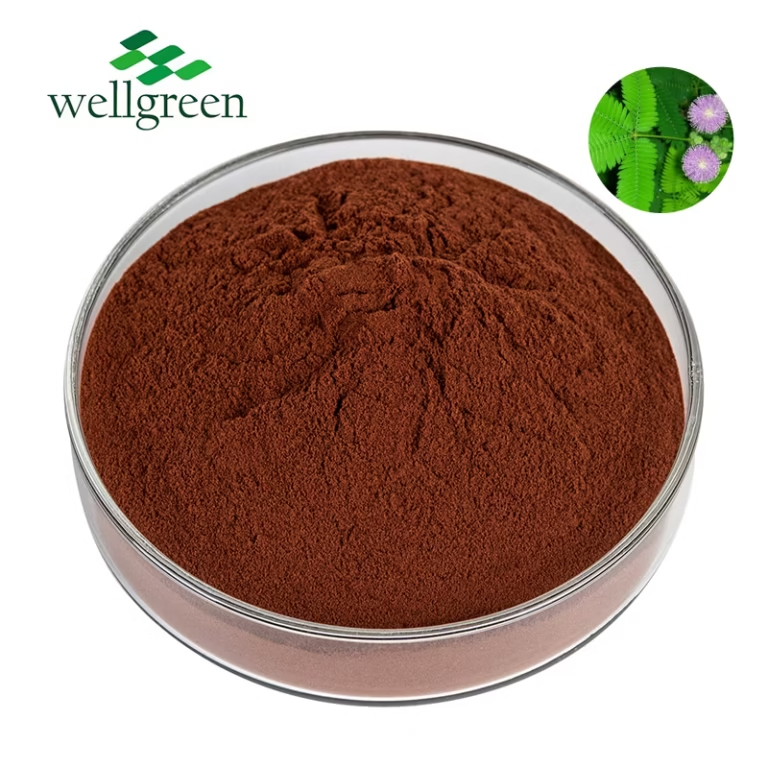
The bark of this Amazonian plant, commonly known as quebracho blanco, have been utilized for centuries in indigenous medicine across the Americas.
Ethnobotanical studies reveal the power of M. tenuiflora extracts in treating a diverse range of ailments, including inflammation.
Indigenous practitioners employ the plant material in diverse forms such as powders to treat illnesses.
Some key applications of M. tenuiflora encompass wound healing, and it is also thought to possess analgesic properties.
Phytochemical Analysis Mimosa tenuiflora Root Bark Extracts
This study focuses on evaluating the phytochemical content of Mimosa tenuiflora root bark extracts. The isolation methods employed involved multiple solvents, including methanol. The resultant extracts were then subjected to a battery of analytical methods such as high-performance liquid chromatography (HPLC) to identify the predominant phytochemical molecules. Preliminary results reveal the abundance of a array of secondary metabolites, including terpenoids, which are known for their therapeutic properties. This comprehensive phytochemical analysis aims to provide valuable insights into the benefits of Mimosa tenuiflora root bark as a source of herbal remedies.
Historic Uses and Potential Medicinal Benefits of M. tenuiflora Root Bark
M. tenuiflora, a tree renowned for its remarkable root bark, has been utilized in traditional medicinal practices for epochs. Indigenous tribes have long acknowledged the medicinal properties of this potent resource. The root bark is traditionally prepared and consumed to address a variety of ailments, including digestive issues.
Contemporary research is initiating to explore the promise of M. tenuiflora root bark in providing medicinal benefits. Studies have suggested that certain elements present in the bark may possess antiviral properties, influencing its potential to combat a wide array of diseases. Moreover, preliminary research suggests that M. tenuiflora root bark may also possess neuroprotective effects, though more comprehensive studies are needed to validate these findings.
Pharmacological Activity of Mimosa tenuiflora: A Review of Root Bark Studies
Mimosa tenuiflora, commonly referred to as the jurema tree, has a extensive history of traditional medicinal practice in South America. The root bark of this variety is particularly recognized for its diverse therapeutic properties. Numerous researches have analyzed the potential effects of M. tenuiflora root bark, revealing a range of constituents with noteworthy biological influence.
- One domain of particular interest is the analgesic potential of M. tenuiflora root bark extracts.
- Initial findings suggests that these preparations may regulate the pain response, potentially providing alleviation from various inflammatory disorders.
- Additionally, studies have suggested that M. tenuiflora root bark may possess free radical scavenging attributes, which could contribute to human health by reducing oxidative damage.
The complex get more info nature of M. tenuiflora root bark profile and its possibilities for therapeutic uses warrant further investigation. As research advances, a more comprehensive understanding of the pharmacological effects of M. tenuiflora root bark may emerge, hopefully leading to the development of novel and effective healthcare interventions.
Procurement and Characterization of Pharmaceutically Active Substances from *M. tenuiflora* Root Bark
This research focuses on the procurement of bioactive substances from the root bark of *M. tenuiflora*. Numerous extraction methods, including solvents, will be utilized to isolate a variety of extracts. The characterization of these extracts will involve techniques like chromatography and chemical analysis. The therapeutic properties of the isolated substances will also be investigated using model systems.
This project seeks to identify and characterize promising compounds from *M. tenuiflora* root bark with potential benefits in medicine.
Exploring the Anti-inflammatory and Antioxidant Properties of Mimosa tenuiflora Root Bark
Mimosa tenuiflora, commonly known as the Siberian tree, is a plant native to arid regions. Recent research has focused on its {potentialbenefits for human health, particularly concerning its anti-inflammatory and radical mitigating properties. The root bark of Mimosa tenuiflora is a rich source of bioactive constituents such as flavonoids, which have been shown to exert potent influences against oxidative stress.
- Studies have demonstrated that extracts from Mimosa tenuiflora root bark can significantly reduce the production of inflammatory cytokines in both *in vitro* and *in vivo* models.
- Furthermore, these extracts have exhibited notable protective effects by neutralizing harmful free radicals, protecting cells from damage.
These findings suggest that Mimosa tenuiflora root bark holds promise as a {naturalsupplement for various inflammatory and oxidative stress-related conditions. However, further research is needed to fully elucidate its mechanisms of action and optimize its therapeutic applications.